











If you have ever sat at a blackjack table, whether at a land-based casino in Vancouver or an online platform available across Ontario, you have likely noticed the small circles or logos printed beside the main betting area. These are blackjack side bets, optional wagers that promise enormous payouts for a tiny additional stake. A single loonie could turn into hundreds or even thousands of dollars if the right cards appear. That promise is seductive, and casinos know it. But before you start tossing chips onto those extra circles, you need to understand exactly what you are buying, how the odds work, and why the math is almost never in your favour. This guide walks you through the mechanics, the most common side bets available to Canadian players, and the cold, hard numbers behind the flashing lights.
Table of Contents
- What Are Blackjack Side Bets?
- The Most Popular Blackjack Side Bets in Canada
- The House Edge: Why Side Bets Are a Bad Bet for Most Players
- When (If Ever) Should You Play Blackjack Side Bets?
- Frequently Asked Questions About Blackjack Side Bets
- The Bottom Line: Should You Play Blackjack Side Bets in 2026?
What Are Blackjack Side Bets?
A side bet is an optional wager placed at the same time as your main blackjack bet, but it has nothing to do with whether you beat the dealer. You can win your side bet and lose the hand, or lose the side bet and win the hand. The two outcomes are completely independent.

Side bets typically depend on the player's first two cards, the dealer's upcard, or a combination of both. For example, you might bet that your first two cards will be a pair, or that they will combine with the dealer's upcard to form a poker-style hand. The appeal is straightforward: while a winning blackjack hand pays 3:2 or even 6:5 at some tables, a winning side bet can pay 25:1, 100:1, or in rare cases, 5,000:1.
That potential for a life-changing payout on a tiny wager is what makes side bets so popular. But there is a trade-off. Standard blackjack, when played with perfect basic strategy, carries a house edge of roughly 0.5 percent. That means for every $100 you wager, you can expect to lose about 50 cents over the long run. Side bets flip that equation. Most carry a house edge of 10 percent or higher, meaning the casino's mathematical advantage is 20 times greater than on the main game. You are paying a steep premium for the thrill.
The Most Popular Blackjack Side Bets in Canada
Canadian casinos, both online and brick-and-mortar, tend to feature a consistent rotation of side bets. While availability varies by province and platform, three wagers appear almost everywhere: Insurance, Perfect Pairs, and 21+3.
Insurance
Insurance is the oldest and most widely available side bet in blackjack. When the dealer's upcard is an Ace, you are offered the chance to place an Insurance bet, typically up to half your original wager. You are betting that the dealer's hole card is a ten-value card, giving them blackjack.
If the dealer does have blackjack, Insurance pays 2:1. If they do not, you lose the Insurance bet and the hand continues. At first glance, this seems like a reasonable hedge. In reality, it is one of the worst bets on the table for casual players. The house edge on Insurance is roughly 7.5 percent in a standard six-deck game, and it climbs higher with fewer decks.
The only time Insurance becomes mathematically favourable is when you are counting cards and the remaining deck is unusually rich in ten-value cards. For the average recreational player who is not tracking every card that leaves the shoe, Insurance is a losing proposition. The dealer will not have blackjack often enough to justify the 2:1 payout, and you will slowly bleed chips over time.
Perfect Pairs
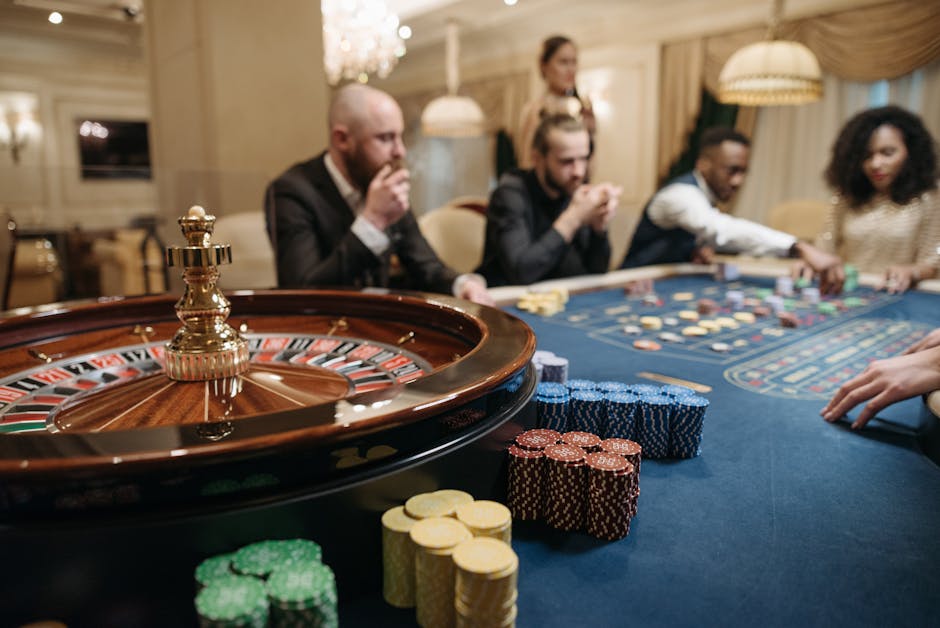
Perfect Pairs is a straightforward side bet: you are wagering that your first two cards will form a pair. The payout depends on the type of pair you receive.
In the multi-deck games common across Canadian casinos, the standard pay table works like this. A Mixed Pair, where the two cards are the same rank but different colours, pays 5:1. A Coloured Pair, same colour but different suits, pays 10:1. A Perfect Pair, identical in both rank and suit, pays 25:1. Some casinos offer a slightly more generous 30:1 on the Perfect Pair, but 25:1 is the norm.
The house edge on Perfect Pairs varies by the number of decks in play and the specific pay table, but it generally falls between 5 and 10 percent. The bet is resolved instantly after the initial deal, which makes it feel fast and exciting. You do not have to wait through the entire hand to know if you have won. That immediacy is part of the appeal, but it does not change the math. Over hundreds of hands, the casino's edge grinds away at your bankroll.
21+3
The 21+3 side bet is arguably the most popular option on Canadian tables right now. It combines blackjack with three-card poker, using the player's first two cards and the dealer's upcard to form a three-card poker hand. If those three cards make a flush, straight, three of a kind, straight flush, or suited three of a kind, you win.
The pay table varies by casino, but a common structure in Canada looks like this. A Flush pays 5:1. A Straight pays 10:1. Three of a Kind pays 30:1. A Straight Flush pays 40:1. Suited Three of a Kind pays 100:1.
The house edge on 21+3 is highly sensitive to the pay table. Some versions carry an edge as low as 3 percent, while others climb above 11 percent. The difference often comes down to how the casino handles straights and flushes. A pay table that offers 9:1 on a straight instead of 10:1, for example, significantly increases the house edge. Before placing this bet, check the felt or the game rules screen. Small changes in the payouts have a large impact on your expected losses.
Other Notable Side Bets
Beyond the big three, Canadian casinos occasionally feature more exotic options. Lucky Ladies is a side bet on your first two cards totalling 20. The payout escalates dramatically if that 20 is a pair of Queen of Hearts, which can pay 200:1 or more depending on the casino. Super Sevens bets on your first card being a 7, with payouts climbing for multiple sevens. Three suited sevens can pay an eye-popping 5,000:1, though the odds of hitting that hand are astronomically low.
Over/Under 13 is a simpler proposition: you bet on whether the total of your first two cards will be over or under 13. Aces count as one, and exactly 13 is a push. Buster Blackjack flips the script and bets on the dealer busting, with larger payouts for busts that happen after drawing more cards. A three-card bust might pay 2:1, while an eight-card bust could pay 250:1. These bets add variety to the table, but they all share the same fundamental trait: a house edge that dwarfs the main game.
The House Edge: Why Side Bets Are a Bad Bet for Most Players
The central fact you need to internalize is this: the house edge on standard blackjack is roughly 0.5 percent with perfect basic strategy, while side bets routinely carry a house edge of 10 percent or higher. That is not a small difference. It is the difference between a game where skill can nearly neutralize the casino's advantage and a game where the casino is guaranteed to win over time.
Consider a simple example. You sit down at a $10 blackjack table and play 100 hands over the course of an hour. On your main bet, using basic strategy, your expected loss is about 50 cents. If you also place a $10 side bet on every hand with a 10 percent house edge, your expected loss on those side bets alone is $100. Over the same 100 hands, you have gone from losing pocket change to losing a significant chunk of your buy-in.
The high payouts are what mask this reality. A 5,000:1 payout on Super Sevens sounds incredible, and it is, if you hit it. But the probability of pulling three suited sevens from a six-deck shoe is vanishingly small. You are far more likely to lose your side bet hand after hand, slowly but steadily, while waiting for a miracle that may never arrive.
Casinos are not shy about promoting side bets. The felt is colourful, the payouts are displayed prominently, and dealers are trained to remind you that the option is available. But the casino's enthusiasm should tell you something. They promote side bets because they are enormously profitable, not because they offer fair value to players.
When (If Ever) Should You Play Blackjack Side Bets?
Given the math, the only sensible reason to play side bets is for entertainment. If you view a $5 Perfect Pairs bet the same way you view a lottery ticket, a small, affordable flutter that adds a jolt of excitement to the game, then go ahead. Set a strict budget for side bets, treat that money as already spent, and enjoy the rare moments when the cards fall your way.
For card counters, the calculus changes slightly. Certain side bets, particularly Insurance and Lucky Ladies, become profitable when the remaining deck is rich in high cards. A counter who knows that the true count is heavily positive can place an Insurance bet with a genuine mathematical edge. But this requires advanced skills, intense concentration, and a bankroll large enough to withstand the variance. It is not a casual endeavour, and most players who attempt it will fail.
High rollers sometimes use side bets to increase variance and make a session more thrilling. If you have a large bankroll and understand that you are paying for entertainment, a small side bet on every hand will not ruin you. But if your goal is to minimize losses and play blackjack with the best possible odds, side bets have no place in your strategy. Stick to the main game, learn basic strategy cold, and let the other players chase the long shots.
Frequently Asked Questions About Blackjack Side Bets
What is the house edge on blackjack side bets?
The house edge varies by bet, but most side bets carry an edge of 10 percent or higher. For comparison, the main game of blackjack has a house edge of roughly 0.5 percent with perfect basic strategy. Some 21+3 pay tables offer a lower edge around 3 to 5 percent, but these are the exception rather than the rule.
Are blackjack side bets legal in Canada?
Yes, side bets are fully legal and widely available at regulated land-based casinos and online platforms operating in Canada. Each province oversees its own gambling regulations, but side bets are a standard feature of blackjack tables from British Columbia to Nova Scotia. Online casinos licensed in Ontario, for example, routinely offer Perfect Pairs, 21+3, and other side bets.
What is the 21+3 side bet in blackjack?
The 21+3 side bet combines your first two cards with the dealer's upcard to form a three-card poker hand. Winning hands include flushes, straights, three of a kind, straight flushes, and suited three of a kind. Payouts vary by casino but typically range from 5:1 for a flush to 100:1 for suited three of a kind.
What is the best blackjack side bet to play?
From a mathematical standpoint, there is no "best" side bet. All of them carry a higher house edge than the main game. The 21+3 bet sometimes offers a relatively lower edge of 3 to 5 percent depending on the pay table, but even that is significantly worse than the 0.5 percent edge on standard blackjack. If you must play a side bet, check the pay table and choose the one with the lowest house edge, but understand that you are still making a negative-expectation wager.
Can you count cards on blackjack side bets?
Yes, some side bets are countable. Insurance and Lucky Ladies are the most well-known examples, as their outcomes depend heavily on the concentration of high cards remaining in the shoe. However, counting side bets requires a more advanced skillset than counting the main game, and the variance is extreme. Most players lack the discipline and bankroll to make this approach viable.
The Bottom Line: Should You Play Blackjack Side Bets in 2026?
Blackjack side bets are designed to do one thing: separate you from your money faster than the main game ever could. The house edge of 10 percent or more, compared to 0.5 percent on standard blackjack, tells you everything you need to know. These wagers are not a strategy. They are a tax on hope.
That does not mean you can never play them. If you enjoy the rush of seeing a Perfect Pair land or a 21+3 straight flush hit, and you are comfortable losing the money you put at risk, then side bets can add a layer of fun to your casino visit. The key is to treat them as entertainment, not as a path to profit. Budget a small amount, accept that you will probably lose it, and enjoy the rare wins when they come.
If your goal in 2026 is to play blackjack with the best possible odds, the advice is simple. Learn basic strategy, find a table with favourable rules, and ignore the side bet circles entirely. The main game already offers enough excitement, and keeping the house edge at half a percent is the smartest bet you can make.